
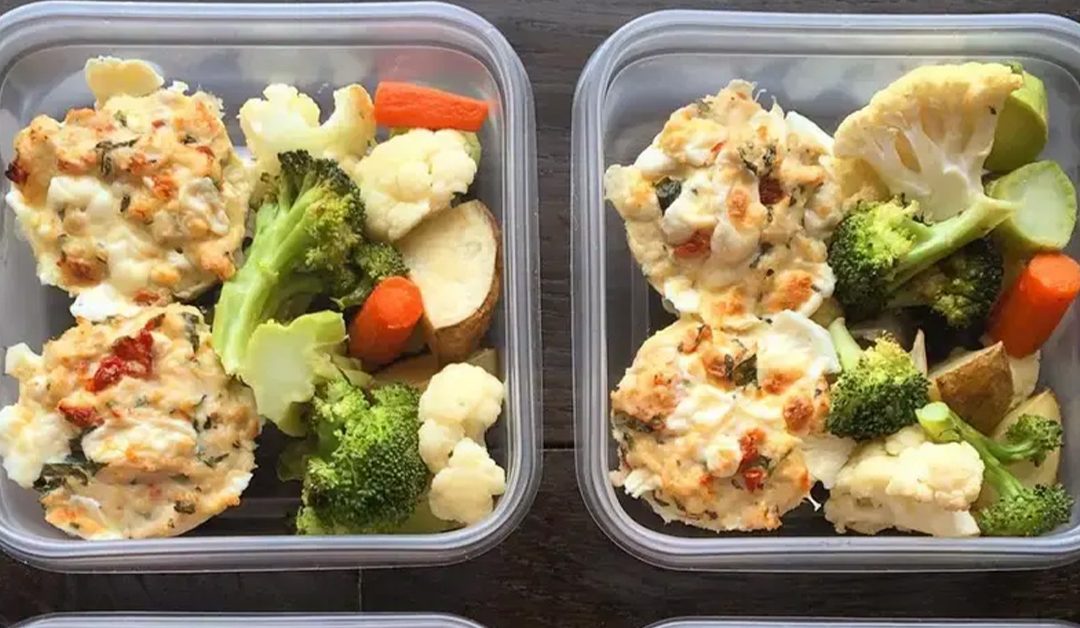
Between busy work schedules, family commitments, and trying to maintain a social life, figuring out what to cook for dinner every night can feel like a second job. Enter meal prepping—the ultimate kitchen habit that transforms chaotic weeknights into seamless, stress-free evenings.
If you are tired of the “What’s for dinner?” panic at 5:00 PM, here is everything you need to know to master the art of food prep.
Why Should You Start Meal Prepping?
Meal prepping isn’t just a fitness trend; it’s a practical lifestyle shift. When you dedicate a block of time to preparing food in advance, you unlock three major benefits:
- You Save Time: Instead of cooking and cleaning every single day, you do the heavy lifting all at once. Weeknight dinners become as simple as reheating and serving.
- You Save Money: How much money do you spend on last-minute takeout or forgotten groceries that spoil in the fridge? Planning your meals means buying only what you need, drastically cutting down on food waste.
- You Eat Healthier: When you are tired and hungry, you are more likely to reach for processed convenience foods. Having nutritious, pre-portioned meals ready to go makes it easy to stick to your wellness goals.
The 3 Main Types of Meal Prep
There is no single “right” way to meal prep. The best method is the one that fits your current lifestyle:
- Batch Cooking (The Freezer Method): Cooking large quantities of a specific recipe (like chili, lasagna, or soup) and freezing double portions for future weeks.
- Ready-to-Cook Prep (The Ingredient Method): Chopping vegetables, marinating meats, and pre-measuring grains ahead of time so you can cook a fresh meal quickly on weeknights.
- Individually Portioned Meals (The Grab-and-Go Method): Distributing fully cooked meals into single-serve containers, which is perfect for quick work lunches and fast breakfasts.
4 Easy Steps to Your First Successful Prep
If you try to prep 21 meals on your very first try, you will quickly burn out. Keep it simple with this four-step roadmap:
1. Start Small
Choose just one meal type to focus on for your first week. Try prepping only your lunches, or focus entirely on streamlining your weeknight dinners.
2. Shop with a Specific List
Check your pantry and fridge before you leave the house. Write down an aisle-by-aisle shopping list based strictly on the recipes you plan to make, and stick to it to avoid impulse buys.
3. Invest in High-Quality Containers
Your food will only stay fresh if it is stored correctly. Look for airtight, leak-proof containers. Glass containers are excellent because they are microwave-safe, durable, and don’t absorb food odors or stains.
4. Multitask in the Kitchen
Efficiency is key. While your sweet potatoes are roasting in the oven, brown your ground turkey on the stove and chop your fresh salad greens.
The Golden Rule: Progress Over Perfection
Meal prepping is a skill that takes practice. Don’t worry if a recipe doesn’t freeze perfectly or if you end up ordering takeout one night anyway. The goal is simply to make your upcoming week a little bit easier than the last one. Pick a day—usually Sunday or Wednesday—and give it a try!